
English| EUR
Suggested for you
More currencies
Choose a language
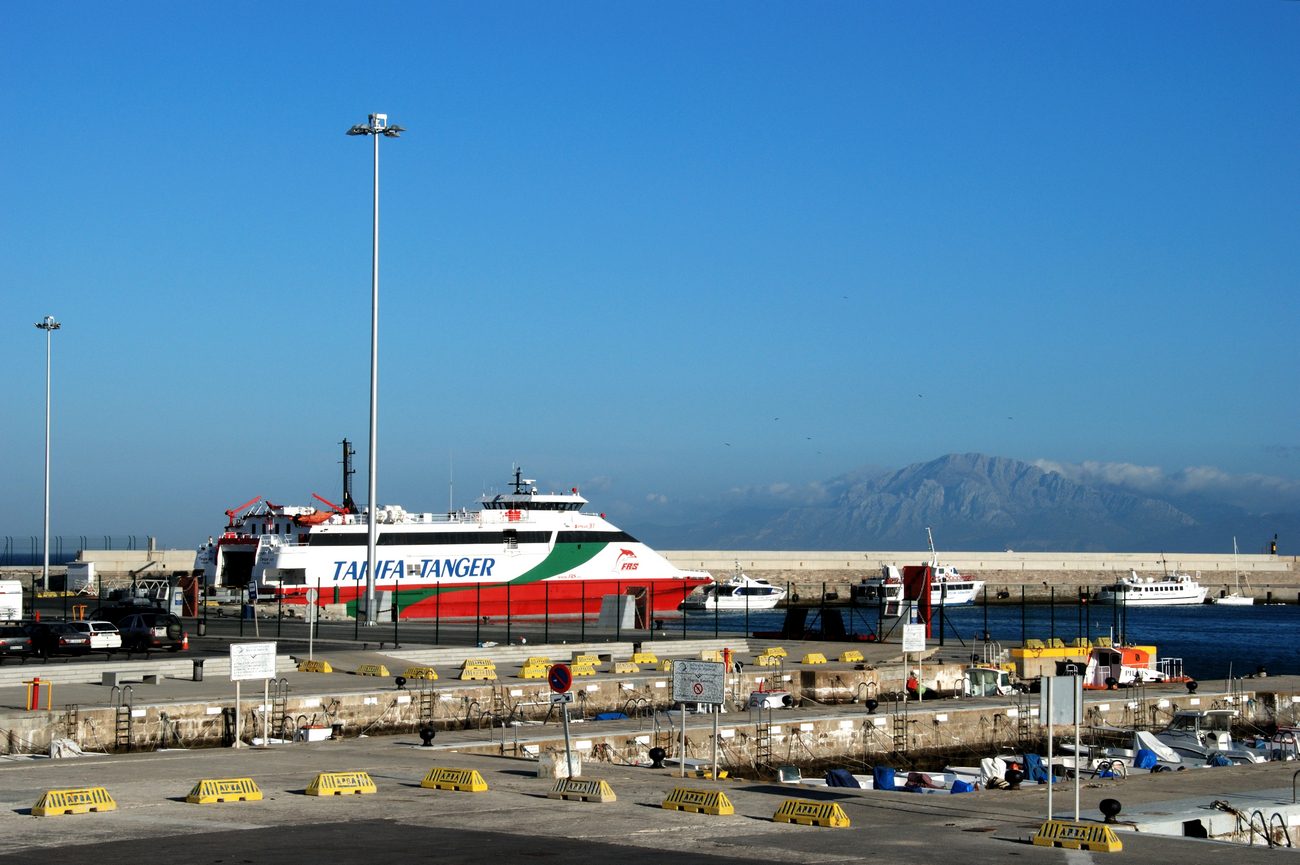
The 14-kilometre hop across the Strait of Gibraltar looks like a coastal ferry ride, but it lands you on a different continent and inside a different customs union. That distinction drives every document rule at the Puerto de Tarifa quayside. This tarifa to tangier ferry passport guide sets out what the crossing actually asks of you, and why.
Quick answer
Yes — a valid passport is required for every traveller on the Tarifa–Tangier route, regardless of nationality or age, because the sailing crosses an external Schengen border into Morocco. National ID cards are not accepted. There is no entrance fee to the terminal itself, which operates 07:00–19:00 daily; ferry tickets cover transit only. Children need their own document.
Tangier Ville is closer to Spain than Seville is to Málaga, yet the ferry that links them is legally an international sailing — the shortest scheduled intercontinental crossing in regular commercial service. That geographic near-miss is exactly what catches travellers out. A journey that takes roughly an hour, on a boat you can see from the Andalusian shore, still moves you between two customs territories, two currencies and two policing regimes. The tarifa to tangier ferry passport requirement exists for that reason alone, and no local familiarity softens it. The practical consequence is that the Terminal Marítimo de Tarifa functions as a border post rather than a bus station. Spanish Policía Nacional handle the exit side of the Schengen Area, while Moroccan officers work aboard the vessel during the crossing itself — an arrangement unique to this route and the reason the sailing feels administratively busier than its short duration suggests. Travellers arriving with a national identity card, a driving licence or a photocopy will be turned back at the desk, whatever their ticket says. The document is checked more than once: at the counter, at the gate, and again mid-Strait. Free entry applies to the terminal building itself, and the entrance fee is zero; the fare a traveller pays is transit, not admission. Context matters for anyone planning a Tarifa Tangier day trip in summer. August sees the peak of the Marhaba operation, the annual return migration of Moroccan families living in Europe, and queues at the Andalusian ports swell accordingly. Documents that are technically valid but marginal — a passport with under three months of remaining validity, a child's expired travel document, a residence permit unaccompanied by its passport — become far more likely to cause a problem when volumes are high and officers are working through backlogs. The terminal's daily 07:00–19:00 operating pattern shapes how much slack the day allows. What to do with all this is simple enough. Treat the ferry passport requirements for Morocco as fixed, verify validity dates weeks rather than days ahead, and carry the document itself rather than a scan. Anyone travelling with minors, dual nationals, or non-EU residents of Spain should confirm their specific position before booking, since the Strait of Gibraltar crossing offers no discretion at the desk. The rest of the logistics — timings, terminal directions, the sequence of checks — are covered in the dedicated sections below.
“The shortest intercontinental ferry in regular service is still an international sailing, and the Tarifa desk treats it as one.”
Crossing to Tangier is an international border, so your documents need checking well before you reach the Terminal Marítimo de Tarifa.
This procedure takes you from terminal check-in to walking out of Tangier Ville port with a stamped passport and completed immigration card. Allow around 30 to 45 minutes on the Tarifa side and a further 15 to 30 minutes for formalities linked to the crossing itself.
Present your reservation reference at the ferry operator's desk inside the Tarifa terminal and collect the printed boarding card. The common mistake is assuming a phone confirmation is enough — most operators still require the physical boarding pass before you can join the passport queue.
Join the Policía Nacional booth in the departures hall and hand over your passport for the exit stamp. Travellers often queue at the wrong window: EU and non-EU passengers are usually processed in separate lanes, and the signage changes with the sailing.
Ask staff at the desk or on the gangway for the white Moroccan entry form, sometimes called the fiche d'embarquement. Take one before boarding rather than hoping they are stocked onboard, as supplies run out on busy sailings.
Complete every field in block capitals: full name, date and place of birth, nationality, passport number, profession, and your Tangier address or hotel name. Leaving the address line blank is the single most frequent reason forms are handed back.
Moroccan border police set up a desk in the passenger lounge shortly after departure. Go early in the 35 to 60 minute crossing — the queue builds fast, and processing closes before docking.
Submit both documents so the officer can enter your details and apply the Moroccan entry stamp. Check the stamp is present before leaving the desk, since an unstamped passport means being sent back at the port gate.
Walk off the ferry and show your stamped passport to the officer at the terminal exit, keeping the counterfoil of your immigration card if one is returned. Retain it — the same slip is requested when you check in for the return sailing.
The ferry terminal in Tarifa operates daily to facilitate travel across the Strait of Gibraltar. Passengers should consult the schedule to coordinate their departures.
The Terminal Marítimo de Tarifa is located at the southern tip of the town, providing direct access to the ferry docks. The facility is easily reached by foot from the town center or by vehicle via the N-340 road.
N-340 to Tarifa; follow signs for Puerto
Direct lines to Tarifa bus station; 10-minute walk to port
Follow signs through Tarifa town center to the port
The Terminal Marítimo de Tarifa, Puerto de Tarifa, 11380 Tarifa, Cádiz, Spain, is the boarding point for your journey. Arriving within the 07:00–10:00 window is recommended to ensure sufficient time for pre-boarding procedures before your departure.
The best arrival window for your journey is 07:00–10:00 to maximize your time in Tangier. Arriving early ensures you clear immigration efficiently and begin your day trip before mid-day congestion.
—
Lower passenger volume leads to shorter wait times at passport control.
Mild, 20°C to 25°C
Dry, pleasant conditions ideal for navigating the medina on foot.
Warm, 22°C to 26°C
Temperatures remain comfortable after the peak summer heat subsides.
Hot, 28°C to 30°C
Expect increased crowds and elevated temperatures during the peak travel season.
Verdict: For the most efficient experience, plan your departure for a weekday morning between 07:00 and 10:00 during the months of May, June, September, or October.
Everything you need to know about tarifa to tangier ferry passport
Yes, a valid national passport is required for the tarifa to tangier ferry passport crossing between Spain and Morocco. All passengers must present their original travel document to authorities before boarding the vessel.
In addition to a valid tarifa to tangier ferry passport, ensure your documents meet entry requirements for Morocco, which may include visa stipulations depending on your nationality. Always check the latest international travel regulations before you head to the port.
For a smooth experience, the best arrival window is 07:00–10:00 to complete security and customs checks. Arriving early provides extra time to manage your tarifa to tangier ferry passport requirements and settle into the terminal.
There is no entrance fee to access the port facilities, as the entry fee is 0 EUR. Please note that ferry tickets are for maritime transit and do not cover separate entrance costs.
You must carry your physical passport for the tarifa to tangier ferry passport validation, as digital or photocopied documents are generally not accepted for international border crossings. Authorities at the port require the original document for stamping.
Travelers should ensure their passport remains valid for at least six months beyond their intended date of departure from Morocco. Having a document that expires too soon can lead to denied boarding at the ferry terminal.
The boarding process involves security screening and immigration control at the Terminal Marítimo de Tarifa. Dedicated staff will verify your travel documents before you proceed to the boarding bridge.
Tarifa to Tangier Day Tour
Read more GuideHow to Get from Tarifa to Tangier
Read more GuideTarifa to Tangier Ferry Timetable
Read more Tickets & toursTarifa to Tangier Ferry Tickets
Read more GuideTarifa to Tangier Day Trip Itinerary
Read more GuideTarifa to Tangier Day Trip Prices
Read more